
Sulphur Oxidizing Bacteria: The Cause of Fast Corrosion Processes

How to prevent problems from SOB’s Sulpher oxidizing bacteria are a type of microorganism that can cause severe corrosion damage to various types of materials. In this post, we will explain what these bacteria are, and how they trigger fast corrosion processes. If you are concerned about the possibility of your business being impacted by […]
Euro-MIC COST conference

During the last week of August, the Euro-MIC COST conference took place. A one day seminar that updated more than 100 interested people about scientific and industrial progress on the topic of Microbial influenced corrosion. The meeting was hosted at the BAM, the German federal material research institute. Visitors were treated with a guided tour […]
Biocides, just a chemical that kills microorganisms in industrial assets?

Principles of biocides Well, there is a whole world behind biocides. There are many different chemicals being used and working principles are quite different. Some chemicals will focus to attack the cell membrane of a micro-organism, others focus on stopping metabolic processes or block the replication process of micro-organisms. In some cases biocides will disable […]
Are Sulphate reducing organisms (SRB) causing corrosion?
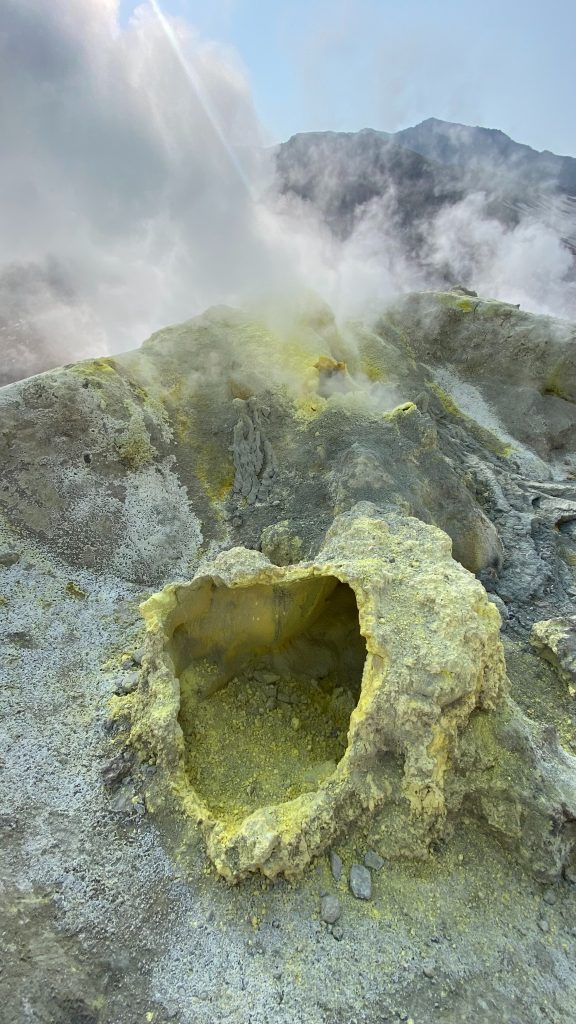
Sulphate reducing bacteria (SRB) are a group of different species of bacteria that are well known for their possible influence in corrosion processes. They are bacteria or Archaea that can reduce sulphate (SO42-) and use it as an source for harvesting energy, since it is their terminal electron acceptor. We as humans, but also mammals […]
Where can I find books about MIC (Microbiologically influenced corrosion)

It is a question that we hear quite frequently. There are quite a number of books available on the topic of Microbial influenced Corrosion (MIC). They are however not so easy to find on search and book sales platforms. Especially, when you don’t know the authors, it becomes quite a hassle. Especially, as you are […]
EMIC and CMIC

Corrosion, or rust (in common language) is always a consequence of electron transfer. Whereby elementary iron is converted into iron 2+ and/or iron 3+, bound to other molecules such as oxygen or sulphur. For some years now, the scientific world has been defining two basic mechanisms that lead to conversions from elementary iron. The first […]
NACE TM0194 (AMPP)

The technical standard NACE TM0194 is among the oldest technical standards in the industry, with the aim to guide you through the process of biological monitoring of pipelines and upstream production in general. This standard focuses on field test methods that are useful for estimating bacterial populations, including sessile bacterial populations, commonly found in oilfield […]
Can MIC influence “clean” water pipe system like a sprinkler Fire Extinguishing system?

It is often assumed that clean water sources can not trigger or enable corrosion by micro-organisms. The Dutch company Endures has shared with us a case were a so-called sprinkler fire Extinguishing system was severely damaged by a pitting corrosion mechanism. Endures performed several analysis to deduct the root cause of this corrosion pitting process. […]
Iron eating bacteria have been found in the channel of Gent
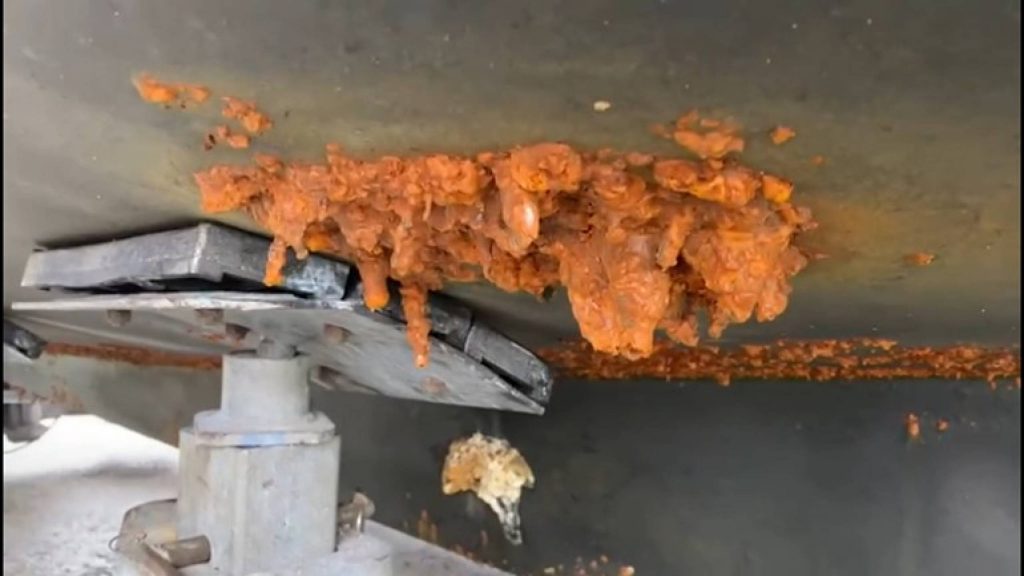
Researchers from the Belgium Higher Nautical College from Antwerp and the university of Ghent have found iron eating bacteria in the channel between Ghent and Terneuzen. According to the news article posted on the National news site: NOS, “the bacteria are drilling holes in sheet piles and ships.” According to the article, the root cause […]
How to predict Microbial Influenced Corrosion (MIC)?

Prediction of MIC is diffitult, as it is a very local corrosion process, influenced by many different elements. Environmental characteristics, material properties, biofilm conditions. They all have an effect on the probability or likelyhood for material degradation to take place. Life of an asset manager would become a lot easier if he could mathematically predict […]